Best Probiotic for Gut Health in 2024
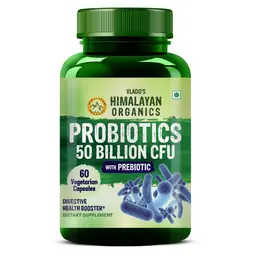
Choosing the right probiotic can significantly improve your digestive health
Finding the best probiotic for gut health can be challenging with so many options available. Our comprehensive guide reviews the top probiotics based on clinical research and customer feedback.
Why Probiotics Matter for Gut Health
Probiotics are live microorganisms that provide health benefits when consumed in adequate amounts. They help:
- Restore natural balance of gut bacteria
- Boost immune function
- Improve digestion and nutrient absorption
- Reduce symptoms of IBS and bloating
Top 5 Probiotic Supplements for Gut Health
- Seed DS-01 Daily Synbiotic - Contains 24 clinically-studied strains
- Culturelle Digestive Health - Features the well-researched Lactobacillus rhamnosus GG
- Align Probiotic - Specifically formulated for IBS relief
- Garden of Life Dr. Formulated Probiotics - Whole food-based formula
- Renew Life Ultimate Flora - High potency with 30 billion CFUs
How to Choose the Right Probiotic
When selecting the best probiotic for gut health, consider:
- CFU count (Colony Forming Units)
- Strain diversity
- Survivability through stomach acid
- Your specific health concerns
How to Stop Hormonal Hair Loss Naturally

Effective strategies to combat thinning hair caused by hormonal imbalances
Hormonal hair loss affects millions of Americans, particularly women experiencing menopause or thyroid issues. Understanding how to stop hormonal hair loss begins with identifying the root cause.
Common Causes of Hormonal Hair Loss
- Menopause or perimenopause
- Thyroid disorders (hypothyroidism/hyperthyroidism)
- Postpartum hormone fluctuations
- PCOS (Polycystic Ovary Syndrome)
- High stress levels (cortisol impact)
Natural Treatments to Stop Hormonal Hair Loss
These evidence-based approaches can help stop hormonal hair loss:
- Balance your hormones naturally - Focus on a whole foods diet rich in phytoestrogens
- Scalp massage with essential oils - Rosemary and peppermint oil show promising results
- Reduce stress through meditation/yoga - High cortisol contributes to hair loss
- Take hair-supportive supplements - Biotin, zinc, and saw palmetto can help
- Improve gut health - The gut-hormone connection is crucial for hair growth
When to See a Doctor
Consult a healthcare provider if:
- You're losing more than 100 hairs per day
- Hair loss is accompanied by other symptoms
- You notice bald patches or sudden thinning
Signs of Magnesium Deficiency You Shouldn't Ignore

Many Americans are magnesium deficient without realizing it
Magnesium is involved in over 300 biochemical reactions in your body, yet nearly 50% of Americans don't get enough of this crucial mineral. Recognizing the signs of magnesium deficiency early can prevent serious health complications.
Most Common Signs of Magnesium Deficiency
- Muscle cramps and spasms - Especially at night
- Fatigue and weakness - Despite adequate sleep
- Irregular heartbeat - Palpitations or arrhythmia
- High blood pressure - Magnesium helps relax blood vessels
- Migraines and headaches - Frequent occurrences
- Anxiety and depression symptoms - Magnesium regulates neurotransmitters
Best Dietary Sources of Magnesium
Increase these magnesium-rich foods in your diet:
- Leafy green vegetables (spinach, kale)
- Nuts and seeds (almonds, pumpkin seeds)
- Legumes (black beans, chickpeas)
- Whole grains (quinoa, brown rice)
- Dark chocolate (70% cocoa or higher)
Choosing a Magnesium Supplement
If dietary changes aren't enough, consider these supplement forms:
- Magnesium glycinate - Best for absorption and relaxation
- Magnesium citrate - Good for constipation relief
- Magnesium malate - Ideal for muscle pain and fatigue
- Magnesium threonate - May cross the blood-brain barrier
